50%
Reduction in onboarding setup time
5.5/7
UMUX provisioning score
233
Stakeholders presented to
5
Multi-zone regions at GA
IBM Cloud Backup & Recovery is a fully managed backup service that simplifies enterprise data protection for VPC, VMware, and Kubernetes workloads. Built for security-conscious organizations like BNPP and American Airlines, the product eliminates infrastructure management overhead while meeting stringent compliance requirements.
Following the product experience vision established in Project Databunker, including the Big Ideas workshop output that shaped the post-GA roadmap, I transitioned into leading UX execution for the product’s general availability launch. Over 1.5 years I oversaw 70+ UI pages, drove 80+ design enhancements, and influenced a foundational architectural decision that removed the #1 adoption blocker for enterprise customers.
Who was in the room
- UX Strategy
- Usability Research
- Prototype Facilitation
- Stakeholder Advocacy
- Cross-org Collaboration
- Marketing Assets
- Engineering Handoff
We do not want to manage another piece of infrastructure for a managed service.
BNPP — Paris workshop with 9 BP2i team members
The challenge: deliver a managed backup service across 5 regions while navigating complex stakeholder dynamics between IBM and our vendor partner. The initial architecture required customers to manage a SaaS Connector: additional infrastructure they had to provision and maintain, which directly contradicted the value proposition of a fully managed service.
This sentiment was echoed by QAD across 3 separate sessions. The SaaS Connector was adding unnecessary complexity and blocking adoption for security-conscious enterprise clients.
The product was tracking to launch in December 2025 with its core value proposition broken. BNPP had made their position clear at the February workshop in Paris: they would not adopt a service that required them to manage additional infrastructure. QAD said the same across three separate sessions. I spent the next three months compiling that sponsor-user evidence and brought it to 233 stakeholders in April. The $11M revenue projection assumed enterprise adoption. With the SaaS Connector in place, that assumption didn’t hold.
Sponsor-user research
Engagements
In-person workshops with BNPP (Paris), American Airlines, and QAD. Moderated sessions testing end-to-end backup experiences.
Key Insights
Uncovered 11 themes across 43 insights, directly influencing 3 existing roadmap epics and 3 new AHA items committed to the roadmap.
New Roadmap Items
Connected Component, Gateway Agent, and a third item committed based on direct user feedback from sponsor engagements.
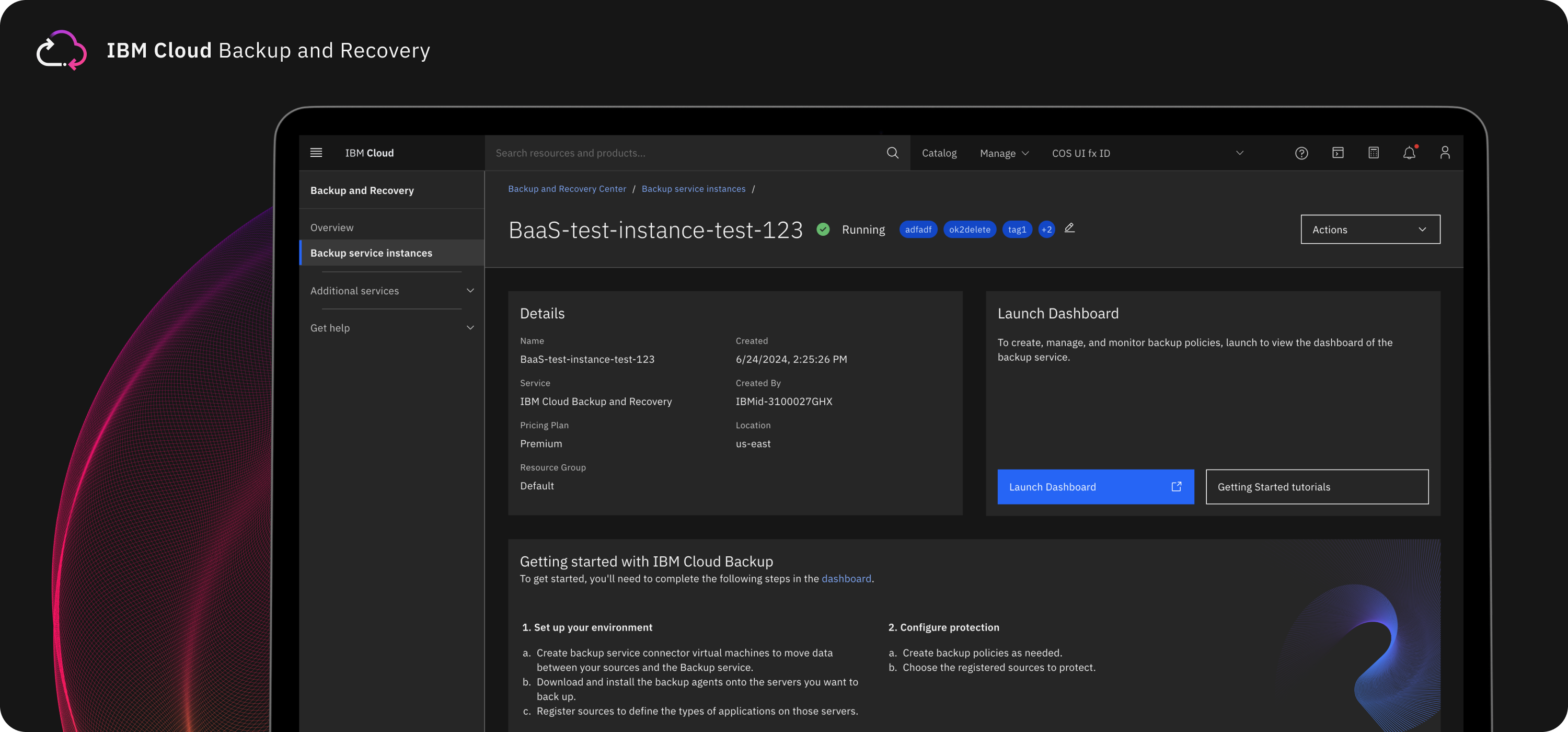
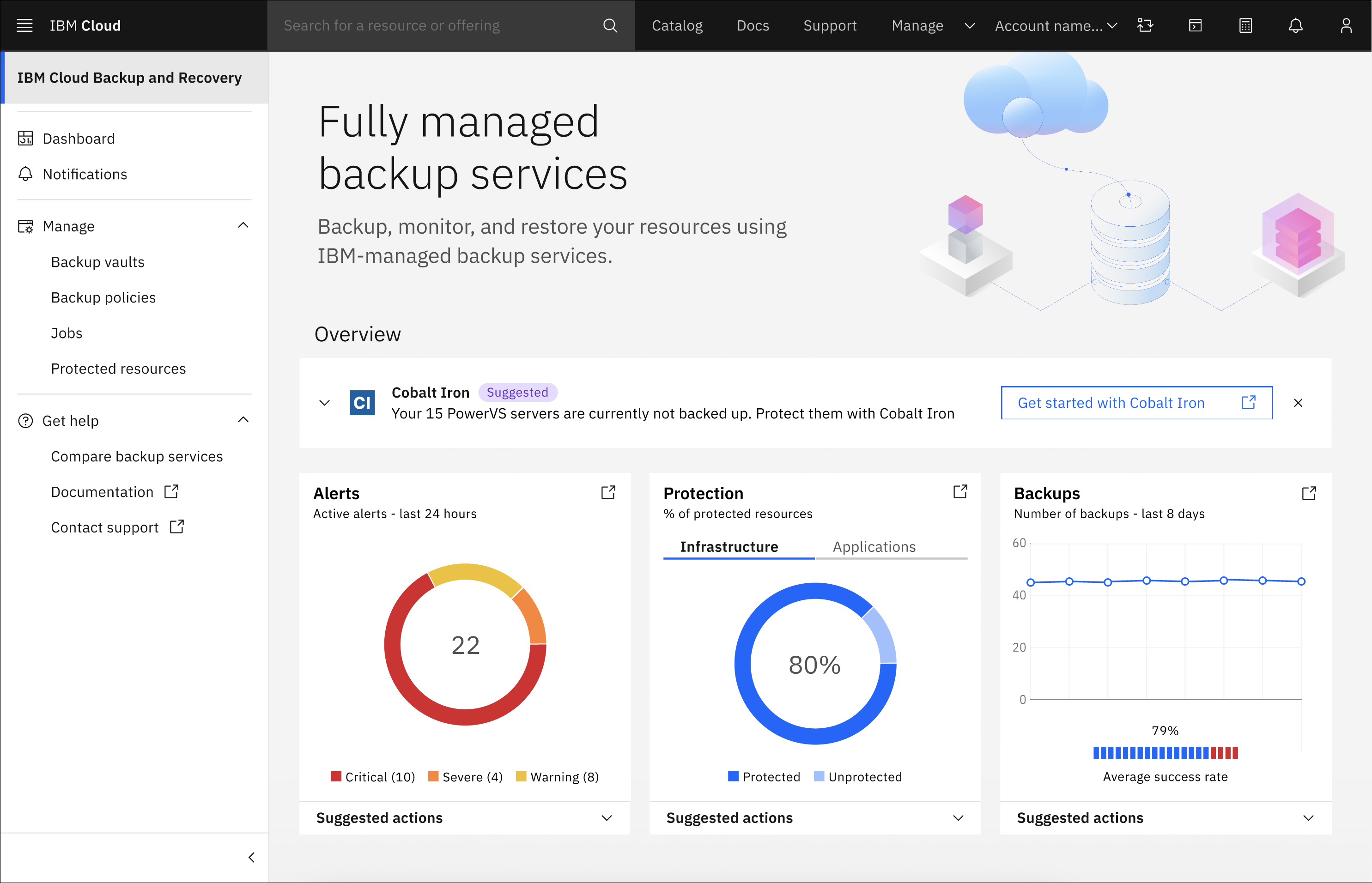
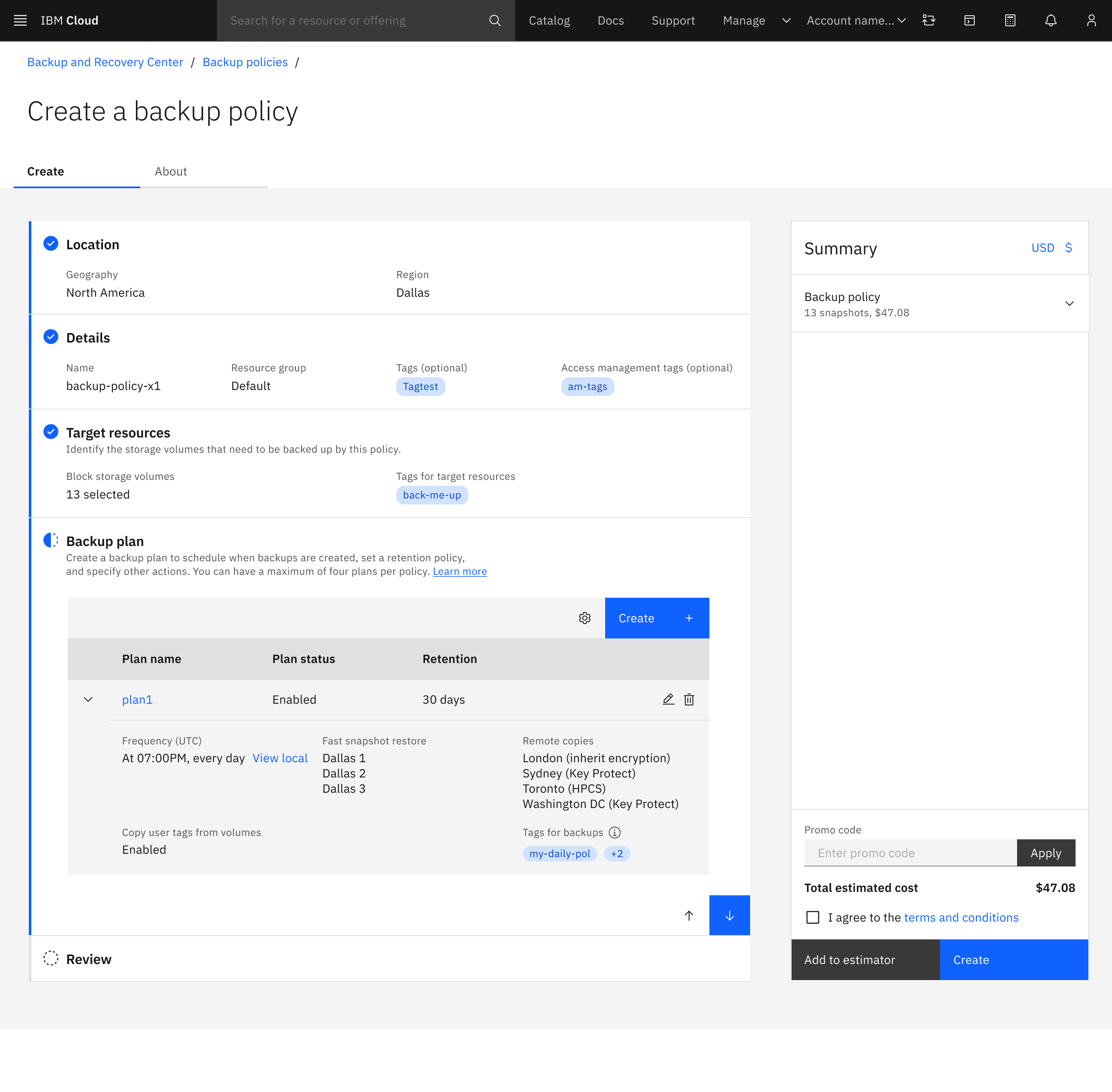
I designed and executed hi-fi clickable prototypes for the Backup & Recovery Manager (Helios) dashboard to demo unreleased features and gather real-time feedback. Users tested end-to-end backup experiences within context, not hypotheticals.
Research artifacts
-
UX Readiness for General Availability
Oversaw design and development of 70+ UI pages and subpages. Designed and implemented usability improvements across 17 UI pages. Integrated critical documentation entry points throughout the experience. Managed 80+ individual design enhancements to improve task success and user satisfaction.
-
Sponsor-User Research to Identify Critical Friction
Facilitated 9 user engagements including in-person workshops with BNPP (Paris), American Airlines, and QAD. Led moderated sessions where users tested end-to-end backup experiences using hi-fi clickable prototypes.
-
Advocated for Architectural Change
Armed with user feedback, I presented findings to 233 stakeholders across IBM and our vendor. The SaaS Connector (which required customers to provision additional compute) contradicted the managed service value proposition and blocked adoption at BNPP.
-
Cross-organizational Collaboration
Ran weekly UX/UI alignment syncs to streamline decision-making. Educated vendor designers on IBM Carbon design system and accessibility principles. Created scorecards for IKS/ROKS, SAP HANA, and Oracle workload experiences shared with the vendor for feedback.
-
Marketing and Enablement Assets
Created 3 product demonstration videos (overview, in-depth walkthrough, feature highlights) and marketing assets for the IBM.com launch page.
The pivot
From SaaS Connector to Gateway Agent
Through advocacy backed by user evidence, I secured buy-in from both IBM and vendor leadership to replace the SaaS Connector model with a Gateway Agent architecture, eliminating customer infrastructure overhead and aligning with industry-standard backup patterns.
Before (SaaS Connector): Customers had to provision and manage additional compute resources. Security constraints prevented adoption; BNPP explicitly would not use it. Misaligned with AWS and Azure, which use agent-based architectures.
After (Gateway Agent): Agent installed directly on customer workloads, a familiar pattern. No additional infrastructure for customers to manage. Setup simplified by 50% by removing the connector provisioning steps entirely.
Two roadmap items secured:
- Connected Component: streamlined onboarding reducing setup time by 50% (UMUX-Lite score: 70.84)
- Gateway Agent: agent-based data mover eliminating customer infrastructure management (targeted 1H 2026)
50%
Reduction in onboarding setup time (Connected Component)
~20%
Reduction in onboarding steps for VPC, VMware, IKS/ROKS
70.84
UMUX-Lite score — Connected Component
$11M
Projected first-year revenue
IBM Cloud Backup & Recovery launched in December 2025 across 5 multi-zone regions. BNPP and QAD both confirmed that eliminating the SaaS Connector made the service viable for their security and operational requirements. Removing the #1 adoption blocker before launch prevented future rework and positioned the product for $11M in projected first-year revenue.
The Connected Component reduced onboarding setup time by 50% and cut the number of steps by approximately 20% across VPC, VMware, and IKS/ROKS workloads (UMUX-Lite score: 70.84, confirmed by direct user testing).
Attribution: The architecture advocacy, sponsor-user research, and Connected Component UX were led by me. UI implementation across the 70+ pages involved close collaboration with vendor designers; design system guidance and quality oversight were my responsibility throughout.
My biggest mistake was not pushing harder on the vendor team around accessibility and globalization requirements earlier. Both were stop-ship issues: compliance required a 100% WCAG pass, and we needed minimum translation coverage the vendor wasn’t able to deliver. They only supported Japanese, and getting to where we needed to be would have required headcount they hadn’t budgeted for. We worked through IBM legal to find a path forward, but that negotiation didn’t need to happen if we’d surfaced the scope of the problem earlier in the engagement.
The architecture case played out differently. Real-world pushback from BNPP and QAD gave us something internal data couldn’t: a human voice attached to the risk. From the BNPP workshop in February to the 233-stakeholder presentation in April, the combination of sponsor-user evidence and internal quantitative data was what made the case land. Vendor leadership pushed back, but framing the change as a business risk rather than a design preference is what shifted the conversation.
The lesson: Real-world user feedback changes the conversation that internal data alone can’t. The voice of actual sponsor users in stakeholder forums is what moved the room.